Justia Lawyer Rating
Maryland Association for Justice
American Association for Justice
Super Lawyers

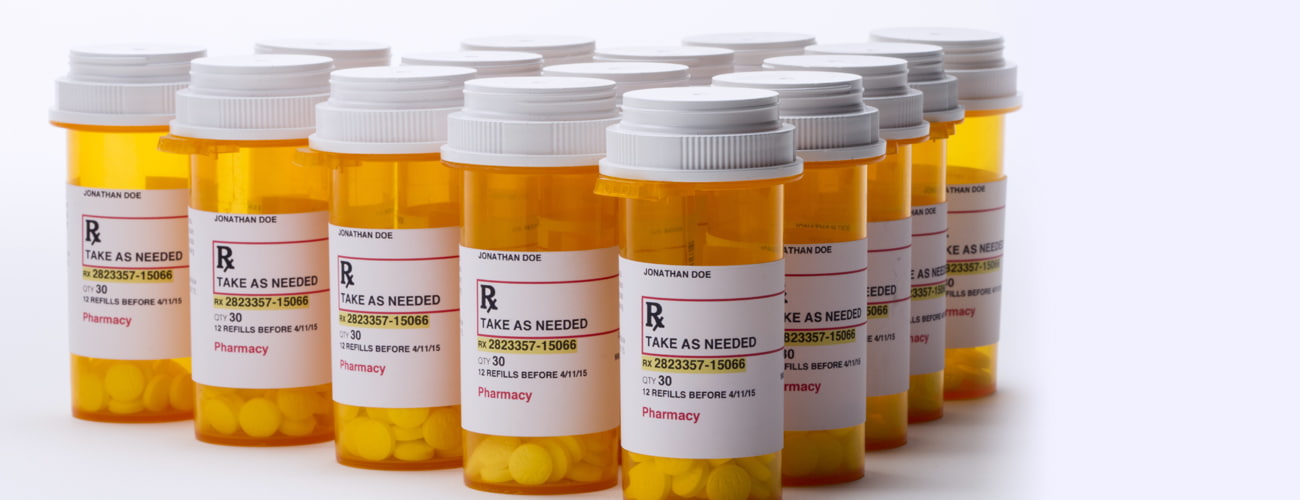
According to the National Coordinating Counsel for Medication Error Reporting and Prevention (NCC MERP), medication errors kill more Americans annually, than work place accidents. Maryland lawyers who pursue prescription error cases recognize the financial and human impact that errantly filled prescriptions have on the citizens of this state. Pharmacy negligence is one of the most pressing health concerns across the nation due to the sheer number of people affected by errantly filled prescriptions.

Some common types of medication errors include:

• Incomplete patient information (i.e. not knowing about patient’s allergies, other medicines they are taking, previous diagnoses, and lab results);

It is clear that patients are put in danger by simple things such as penmanship and the use of inconsistent abbreviations. This must change. Maryland pharmacy negligence attorneys work with clients to hold negligent pharmacist responsible for the injuries that they cause across the state.

Your doctor hands you a prescription that you quickly take to your local pharmacy to fill. You look down at the unintelligible handwriting and find that it looks like a foreign language full of jumbled, incomprehensible abbreviations. Doctors, physician’s assistants, and other medical professionals often use abbreviations on prescriptions in order to save time. Too often, unfortunately, pharmacists misinterpret abbreviations used on prescriptions and, as a result, Maryland patients are put at risk of injury or death caused by improperly filled prescriptions. From January 2000 to August 2004, 498 health care facilities reported 19,000 medication errors caused by a pharmacist’s misinterpretation of another doctor’s short hand.

A pharmacist in Virginia misread a doctor’s abbreviation and dispensed two times the proper amount of heparin to a patient. As a result, the victim suffered a massive hemorrhage. The pharmacy ultimately settled the plaintiff’s case for $200,000.

Continue reading ›

The Maryland Pharmacists Association Newsletter for November, 2008 reported that in the last seven years, in hospitals alone, anticoagulation medication errors occurred in 70,000 instances. In twenty-six of those instances, the patient died. The report goes on to state that “[h]eparin and warfarin are consistently ranked among the 10 most frequently reported drugs involved in errors.” (Warfarin is the generic name for the better known brand name drug, Coumadin.)

When I read this article, I was surprised and concerned that such a potent drug – a blood thinner – given in too high a dose can cause a deadly hemorrhage, and that given in too low a dose might fail to prevent the formations of blood clots that the drug is designed to prevent, is so regularly dispensed by hospitals improperly.

I am interested to learn the names of the other medications that are most commonly misfilled by hospital pharmacies. Are they pain medications, like oxycodone or morphine, insulin injectables that can provide treatment in a rapid onset or an intermediate duration, or antibiotics that combat specific infections?

A doctor in Baltimore once told me: “Hospitals are dangerous places.” Add hospital pharmacy errors to the list of dangers.

Continue reading ›

Contact Information